
How to Take Care of Your Heart Naturally: A Science-Backed Guide
How to Take Care of Your Heart Naturally: A Science-Backed Guide ❤️
Your heart is the silent hero of your body, beating over 100,000 times a day without rest — pumping blood, oxygen, and nutrients to every cell. But with modern lifestyles becoming more sedentary and diets increasingly processed, heart disease has quietly become the leading cause of death worldwide.
The good news? Up to 80% of heart disease is preventable — and the key lies in your daily habits. This guide shares six proven, natural strategies you can start using today to support your heart and live a longer, healthier life.
🥦 1. Eat a Heart-Friendly Diet
The foods you eat play a huge role in determining your heart health. A diet rich in whole, unprocessed ingredients can lower cholesterol, reduce inflammation, and support healthy blood vessels.
✅ Best foods for your heart:
-
Fatty fish (like salmon, sardines): Rich in omega-3 fatty acids that reduce triglycerides and inflammation.
-
Nuts (especially walnuts and almonds): Provide plant-based omega-3s and fiber.
-
Leafy greens (like spinach, kale): High in antioxidants and vitamin K for arterial health.
-
Whole grains (oats, brown rice, quinoa): Packed with fiber that lowers LDL (“bad”) cholesterol.
-
Berries: Loaded with flavonoids, which reduce blood pressure and oxidative stress.
❌ Foods to avoid:
-
Trans fats (found in margarine, baked goods, processed snacks)
-
Sugary beverages
-
Excessive red or processed meats
-
High-sodium packaged foods
Pro Tip: Try adopting the Mediterranean diet — one of the most researched and effective eating styles for heart health.
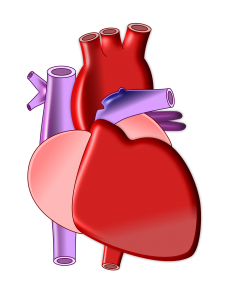
heart
🏃♂️ 2. Move Your Body Daily
Your heart is a muscle. Just like any other muscle, it needs regular exercise to stay strong and efficient. Physical activity lowers blood pressure, improves circulation, balances cholesterol, and helps maintain a healthy weight.
💡 Guidelines:
-
Aim for 150 minutes of moderate aerobic exercise per week (e.g., brisk walking, cycling).
-
Or 75 minutes of vigorous exercise (e.g., jogging, HIIT).
-
Include resistance training 2x a week for extra metabolic benefits.
-
Reduce sedentary time — even 5-minute walking breaks every hour can improve circulation.
Internal link idea: Link to your blog post titled “10-Minute Workouts for Busy People”
🧘♀️ 3. Manage Stress Effectively
Chronic stress isn’t just mentally draining — it’s physically damaging. When you’re under stress, your body releases cortisol and adrenaline, which raise blood pressure, heart rate, and inflammation. Over time, this can contribute to artery damage.
🔄 Try these stress-reducing techniques:
-
Deep breathing or mindfulness meditation
-
Progressive muscle relaxation
-
Journaling or expressive writing
-
Nature therapy – walking in a park or near water
-
Digital detox – limit social media to reduce anxiety
“Stress is like a silent toxin for your heart — detox daily.”
😴 4. Prioritize Quality Sleep
Sleep is your body’s time to heal and recover. Poor sleep increases your risk of high blood pressure, insulin resistance, and irregular heart rhythms.
💤 Tips for better sleep:
-
Stick to a consistent sleep schedule
-
Avoid caffeine after 2 PM
-
Limit screen time 1 hour before bed
-
Keep your bedroom cool, quiet, and dark
-
Try natural sleep aids like magnesium or chamomile
Aim for 7–9 hours of quality sleep per night. Your heart (and brain) will thank you.

Sleeping
🚭 5. Quit Smoking and Minimize Alcohol
Smoking damages blood vessels, reduces oxygen in your blood, and accelerates plaque buildup in arteries — dramatically increasing heart attack and stroke risk.
✅ The benefits of quitting smoking:
-
Within 1 year, heart disease risk drops by 50%
-
Circulation improves in just weeks
-
Long-term risk of heart attack and stroke nearly returns to that of a non-smoker

🍷 What about alcohol?
-
Moderate alcohol (especially red wine) might offer some benefit due to resveratrol, but excess alcohol raises blood pressure and triglycerides
-
Recommended limits:
-
Women: 1 drink/day
-
Men: 2 drinks/day
-
Consider alcohol-free alternatives like kombucha or sparkling water infused with herbs.
📊 6. Track Your Heart Health Metrics
Knowing your numbers can help detect issues early — often before symptoms appear.
🧪 Get regular check-ups for:
-
Blood pressure: Keep it below 120/80 mmHg
-
Cholesterol: Aim for high HDL, low LDL
-
Fasting blood glucose: Under 100 mg/dL
-
BMI: Stay within 18.5–24.9
-
Waist circumference: A waistline over 40″ (men) or 35″ (women) increases heart disease risk
Internal link idea: “How to Understand Your Lab Results Like a Pro”
✅ Bonus: Build Long-Term Habits
Cardiovascular health isn’t a short-term goal — it’s a lifetime investment. The key is consistency over perfection.
-
Track your meals and movement with a wellness journal
-
Join a community challenge or accountability group
-
Set small weekly goals (e.g., 3 walks, 2 home-cooked meals)
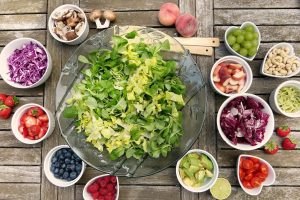
Vegan
❤️ Final Thoughts
Your heart is the engine of your life — and it deserves your care. You don’t need a personal trainer or expensive supplements to protect it. Just natural, science-backed habits, practiced consistently.
Start where you are. Eat more plants, move your body, breathe deeply, and get restful sleep. With each small change, you’re creating a future with more energy, fewer medications, and better quality of life.