
Alcohol and Heart Health: Friend or Foe?🍷
Alcohol and Heart Health: Friend or Foe?🍷
Alcohol has long had a complicated relationship with health. You’ve likely heard that a glass of red wine a day is good for the heart — but you’ve also probably seen warnings about alcohol’s link to high blood pressure and heart disease. So, which is it?
This article breaks down the latest science on alcohol and heart health, clarifies the myths, and offers practical advice to help you make informed decisions about your drinking habits.
🫀 The Basics: How Alcohol Affects Your Heart
When consumed, alcohol enters your bloodstream and affects nearly every system in your body — including your cardiovascular system. Its effects depend heavily on the amount and frequency of consumption.

Alcohol
Short-term effects:
-
Increased heart rate
-
Temporary rise in blood pressure
-
Dilated blood vessels (causing a “flushed” feeling)
Long-term heavy drinking can lead to:
-
High blood pressure (hypertension)
-
Irregular heart rhythms (arrhythmia)
-
Cardiomyopathy (weakening of the heart muscle)
-
Stroke
-
Increased triglycerides
-
Weight gain (which increases heart disease risk)
🍷 The “Red Wine Is Good for You” Debate
Some studies have suggested that moderate red wine consumption might be beneficial for heart health. Red wine contains resveratrol, an antioxidant found in grape skins that has been linked to:
-
Lower levels of LDL (“bad” cholesterol)
-
Increased HDL (“good” cholesterol)
-
Reduced blood clotting
-
Decreased inflammation
However, most researchers agree: you don’t need alcohol to get these benefits.
Fact: You can get resveratrol from grapes, blueberries, or peanuts — without the alcohol.
🧪 What Science Really Says About Moderate Drinking
The key word here is moderate. According to major health authorities like the American Heart Association (AHA) and the World Health Organization (WHO):
Safe alcohol limits:
-
Women: up to 1 standard drink per day
-
Men: up to 2 standard drinks per day
🥂 What is 1 standard drink?
150 ml (5 oz) wine
350 ml (12 oz) beer
44 ml (1.5 oz) distilled spirits
That said, no amount of alcohol is risk-free, especially for those with high blood pressure, liver disease, or a family history of addiction.
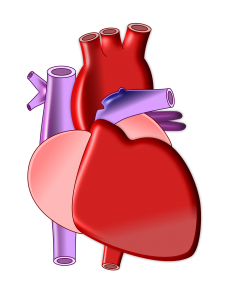
heart
🚨 When Alcohol Becomes Harmful
Regular heavy drinking can significantly increase your risk for:
-
High blood pressure: Alcohol makes your arteries stiffer over time
-
Irregular heartbeat (AFib): Binge drinking, even once, can trigger arrhythmias
-
Heart failure: Chronic drinking weakens the heart muscle
-
Stroke: Both ischemic and hemorrhagic strokes are more common in heavy drinkers
Important: These risks apply even to those without any symptoms — damage can build up silently over years.
💡 Alcohol and Medication: A Dangerous Combo
Many people with heart conditions take medications like:
-
Blood thinners (e.g., warfarin)
-
Beta-blockers
-
Statins
Alcohol can interfere with these drugs, reduce their effectiveness, or even cause dangerous side effects like internal bleeding or liver stress.
Always consult your doctor if you’re on medication and drink alcohol regularly.
✅ Tips for Drinking Smart (If You Choose to Drink)
If you enjoy alcohol occasionally, there are ways to do it more safely and responsibly:
-
Stick to recommended limits
-
Drink with food to slow alcohol absorption
-
Hydrate between drinks
-
Avoid binge drinking (4+ drinks for women, 5+ for men in one sitting)
-
Choose lower-alcohol options like spritzers or mocktails
-
Track your weekly intake to stay aware

❌ Who Should Avoid Alcohol Altogether?
Certain people should completely avoid drinking:
-
Individuals with a history of alcohol addiction
-
Pregnant women
-
People with liver or pancreatic disease
-
Those with heart failure or arrhythmias
-
People taking certain medications
❤️ Bottom Line: Is Alcohol Good or Bad for Your Heart?
Moderate alcohol may have limited cardiovascular benefits, but it’s not essential — and it comes with risks. If you don’t currently drink, there’s no reason to start for heart health. If you do enjoy an occasional glass of wine or beer, staying within recommended limits is key.

Tired
✔ A heart-healthy lifestyle includes:
-
A whole food, plant-rich diet
-
Regular physical activity
-
Stress management
-
Quality sleep
-
Avoiding tobacco and excess alcohol
“Your heart doesn’t care about trends — it cares about consistency.”
*Follow Facebook